
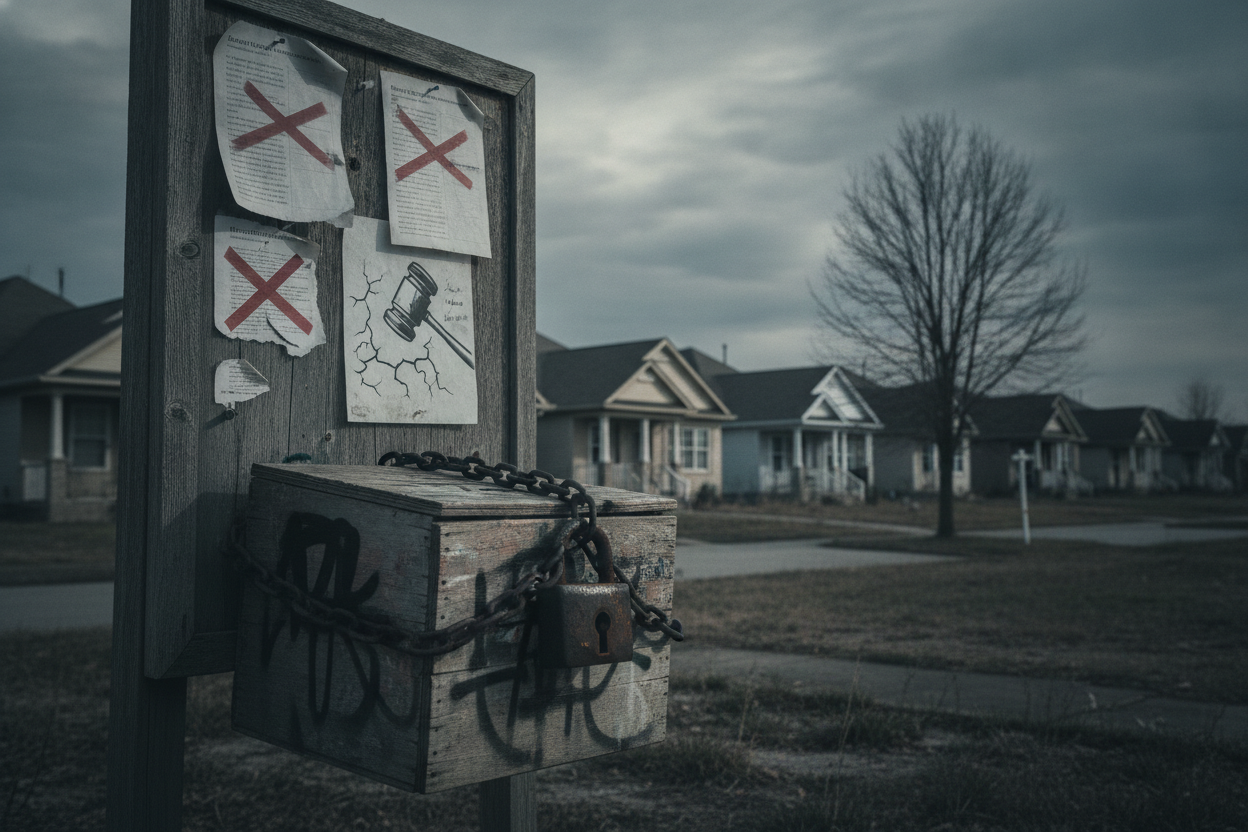
Most homeowners would rather solve problems without a recall, but some situations make removal of directors the most practical option. Repeated failures to maintain common areas, inconsistent enforcement of rules, unexplained financial decisions, or refusal to provide required records can all create serious concerns. When those issues persist, a recall may become necessary to restore confidence in the board.
A recall is usually considered only after other efforts have failed. Residents may attend meetings, submit written requests, or ask for clarification on budgets and repairs. If the board continues to ignore concerns, the community may start looking for a formal remedy. That is why recall efforts often reflect a breakdown in communication as much as a disagreement over policy.
It is important to approach the situation carefully. Not every frustrating decision means the board should be removed. Homeowners should look for patterns, not isolated events. Patterns of missed deadlines, lack of disclosure, poor maintenance, or procedural violations can indicate deeper governance problems that justify stronger action.
When recall becomes necessary, organization matters. Residents should be clear about the specific issues, the legal process, and the outcome they want. A thoughtful approach helps avoid unnecessary conflict and shows that the effort is driven by community improvement rather than personal disputes. In the right circumstances, recall can be a necessary step toward restoring responsible leadership.
Leave a Reply